
Defective construction exists throughout all construction projects, and it is likely no construction project is ever completed perfectly. In New York construction, however, perfection is not the legal standard work is required to achieve.
Defective construction exists throughout all construction projects, and it is likely no construction project is ever completed perfectly. In New York construction, however, perfection is not the legal standard work is required to achieve.
In the bustling construction and design landscape of New York, establishing yourself as a reputable professional requires more than just skill and experience. Whether you’re a contractor laying foundations or an architect shaping skylines, proper licensing is absolutely essential. Operating without the necessary credentials can lead to hefty fines, legal repercussions, and damage to your professional reputation. This article will guide you through the registration processes for contractors and architects in New York State, New York City, Nassau County, and Suffolk County, ensuring you’re compliant and ready to build your success.
Continue reading “Building Your Business Right: Licensing as a Contractor or Architect in New York”
 The Law Offices of John Caravella, P.C. does not own this content. This content was created by guest blogger, Suzie Wilson. To learn more about Suzie, please click here:
Continue reading “The Smartest Legal Considerations for Scaling a Construction Business”
The iconic skyline of New York City casts a long shadow, stretching far beyond its five boroughs. But that shadow, while representing growth and prosperity, also highlights a growing concern for the surrounding metropolitan areas: a severe land shortage. Counties and towns across Metro New York are feeling the squeeze, impacting everything from residential development to the very supply chains that fuel the construction industry.
Continue reading “Metro New York’s Land Crunch and its Impact on Construction”
Construction can play a crucial role in combating the impacts of rising sea levels in New York City and surrounding areas through a variety of innovative techniques and resilient building practices. These strategies aim to protect existing infrastructure, create new developments that are more resistant to flooding, and enhance the natural defenses of the coastline.
Continue reading “How Construction can Protect New Yorker’s from Rising Sea Levels”
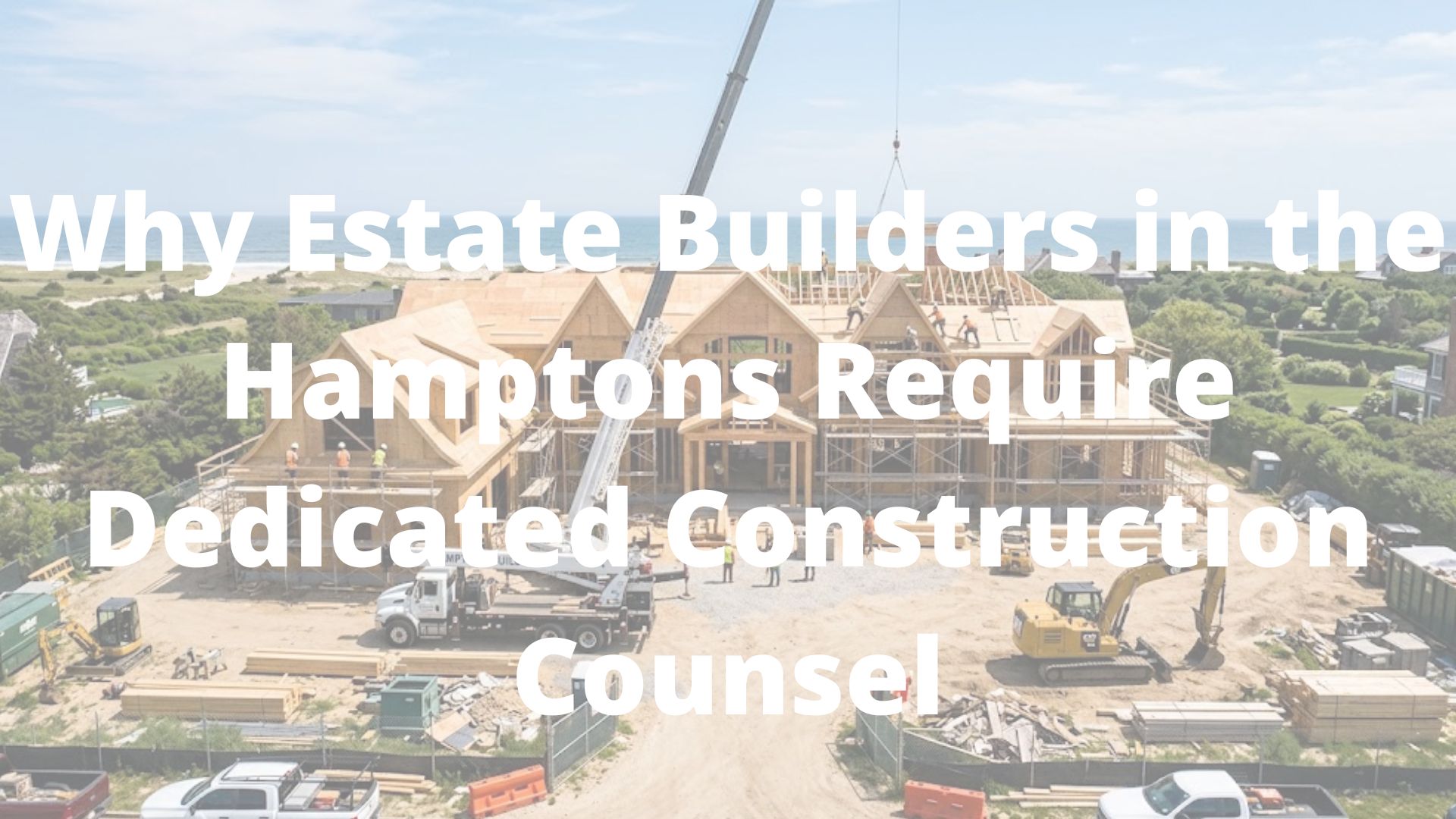
Building custom ultra-luxury estates in East Hampton, Southampton, and Sagaponack is as much a legal and regulatory tightrope as it is an architectural triumph. For builders operating in North America’s most exclusive residential enclave, legal counsel is not an emergency option—it is essential operational infrastructure.
Continue reading “Why Estate Builders in the Hamptons Require Dedicated Construction Counsel”
 The American home improvement sector is sending a clear, nuanced signal: consumers are still spending, but they are doing so with marked caution. Recent earnings reports and market analyses, highlighted by Home Depot’s Q2 financial results, show that while overall sales volume remains resilient, consumer behavior has shifted from high-ticket home transformations to smaller, targeted DIY projects and maintenance.
Whenever we hear the terms Usury and Racketeering, we think of two things, organized crime, and the RICO Act. But did you know that these two terms are very common within the New York Construction industry? Whether you are a homeowner, a contractor or a commercial business owner, usury and racketeering come in many different shapes and sizes. What are the types of Construction Usury, and how can we protect ourselves?
Continue reading “Protecting Yourself from Usury and Racketeering in Construction”
From individual homeowners embarking on renovations to large-scale developers breaking ground on new communities, the increased cost of wood is having a profound and multifaceted impact across the United States. Understanding the factors driving these high prices, the region’s most acutely affected by shortages, and the intricate supply chains that bring lumber to our construction sites is crucial to navigating this evolving landscape.
Continue reading “How Lumber Costs are Shaping the US Construction Landscape”
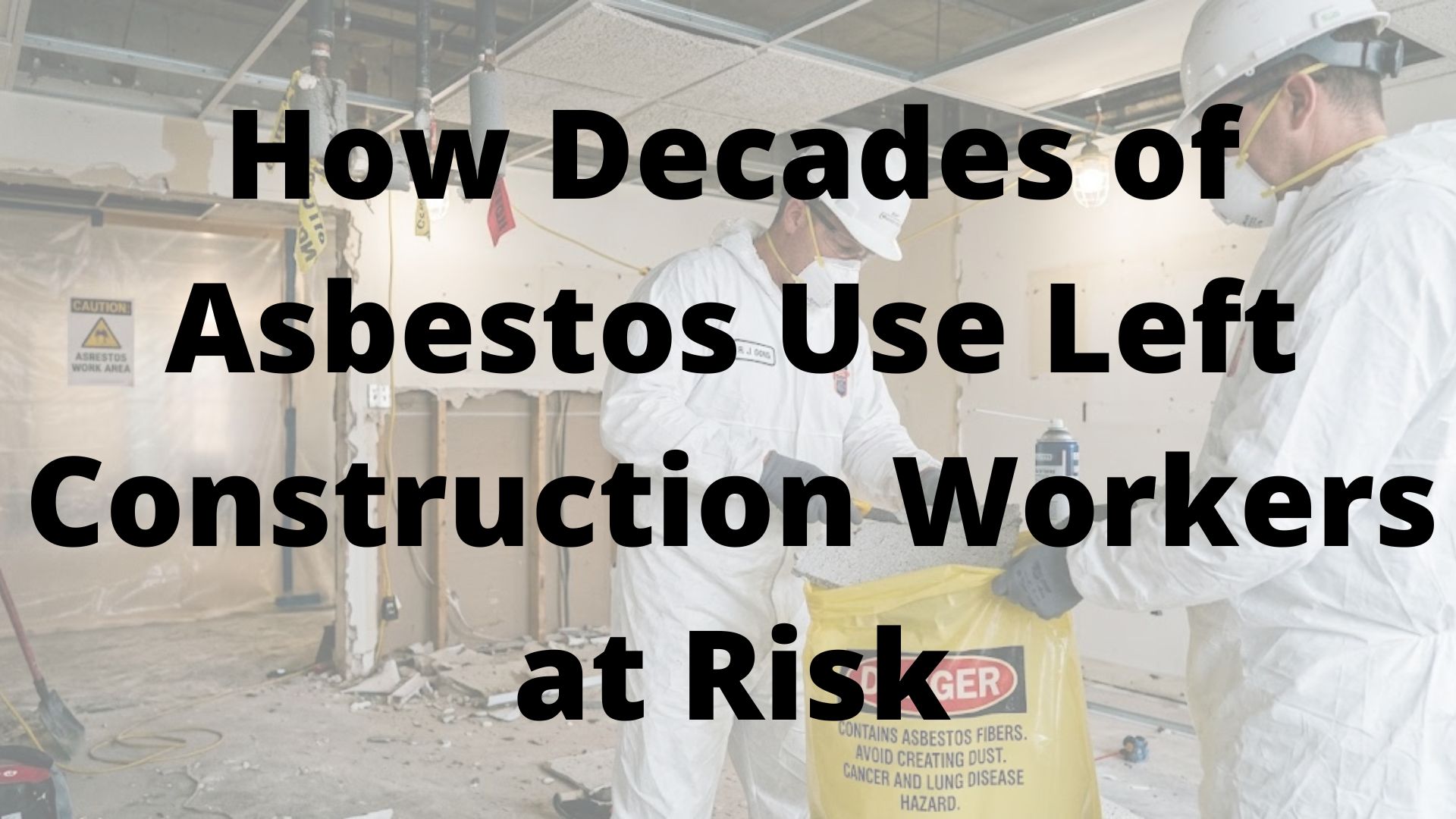
For much of the 20th century, asbestos was celebrated as a miracle material in the construction industry. It was inexpensive, highly fire-resistant, tensile, and an exceptional thermal insulator. Starting from the post WWII construction boom and up through the late 1980s, asbestos found its way into almost every stage of building construction.
Continue reading “How Decades of Asbestos Use Left Construction Workers at Risk”
The Law Offices of John Caravella, P.C. offers a free initial consultation with a Long Island construction attorney to discuss your legal concerns with no obligation. To schedule an appointment, call our office today or fill out the form below.