
Holiday decorations make homes warm and festive — but they also increase the risk of fire, electric shock, and property damage. From overloaded outlets and frayed light strings to unattended candles and dry Christmas trees, many seasonal hazards are preventable.
This blog explains the most common decoration-related risks, what standard homeowners insurance typically covers (and when claims run into trouble) in New York and Florida, and real-world case studies to illustrate what can go wrong — plus practical safety steps you can take this season. Key national statistics and state insurance guidance are cited so you and your readers can fact-check and act with confidence.
The Dangers at a Glance — What Actually Causes Holiday Fires
Christmas trees: Dry trees ignite quickly; NFPA data shows Christmas-tree–related home fires are uncommon but can be severe when they occur. From 2016–2020, U.S. fire departments responded to an estimated average of 160 home structure fires per year that began with Christmas trees. These fires caused civilian deaths, injuries, and millions in property damage. Electrical problems and unattended lights are frequent culprits.
Lights and electrical: Worn or damaged strings, indoor lights used outdoors, or daisy-chaining extension cords create short circuits and overheating — a leading cause of holiday fires.
Outlets and overloaded circuits: Holiday lighting and inflatables can overload circuits and trip breakers — or worse, cause hidden overheating in walls. Properly rated extension cords and avoiding multiple high-load devices on one circuit reduce risk.
Candles and open flames: Candles spike fire risk in December and January; unattended candles near decorations or fabrics cause many preventable fires.
Insurance Basics: What Homeowners Policies Usually Cover (and Common Limits/Exclusions)
Most standard homeowners policies (the HO-3 “special form”) cover sudden, accidental property damage from named perils such as fire and lightning. That means damage from a decoration-caused fire is typically a covered loss if it’s accidental and not excluded under the policy language. Coverage usually includes structure repair and, where applicable, additional living expenses if the home is uninhabitable while repaired.
Typical problems that can lead to claim denials or reduced recovery include:
• Intentional acts: Damage resulting from an intentional act by the insured (for example, purposely setting a tree on fire) is not covered. If a third-party arsonist caused the fire, that’s different and usually still covered; the insurer may then pursue subrogation against the third party.
• Neglect or failure to maintain: Some insurers may dispute claims if the homeowner ignored known hazards (for example, leaving unsafe wiring in place after repeated warnings). Whether a denial is proper depends on policy language and state law.
• Electrical or mechanical wear and appliance exclusions: Some policies limit coverage for losses caused by long-term wear, faulty maintenance, or mechanical breakdowns. Short-circuit or wiring defects that are sudden and accidental are often covered, but slow-developing electrical failure could be contested.
Two Short Case Studies
New York — Midtown Tree Arson: In December 2021 a large decorated public tree outside a Midtown news building in Manhattan was set on fire. The incident led to criminal charges for arson. Public displays and external decorations can be subject to vandalism and arson; where a third party causes damage, the property owner’s insurer typically covers the immediate loss and may pursue subrogation against the perpetrator. This illustrates the difference between insured losses from third-party wrongdoing (usually covered) and intentional acts by an insured (not covered).
Florida — Home Christmas-Tree Fires: Local Florida news reports describe incidents such as a Christmas-tree fire in Miami-Dade and another in Clay County where Christmas-tree lights sparked a blaze that displaced families. These stories show how quickly faulty lighting or dry trees can lead to serious damage and temporary displacement — events that typically trigger homeowners fire coverage and additional living expense benefits.
Practical Safety Checklist
- Buy a fresh tree and water it daily — dry trees ignite quickly.
- Inspect all lights before use — discard strings with frayed cords, cracked sockets, or loose connections.
- Don’t overload outlets — use surge-protected power strips and avoid daisy-chaining extension cords.
- Never leave candles unattended and keep them away from decorations and curtains.
- Use timers or smart plugs so lights turn off overnight.
- Keep a fire extinguisher nearby and ensure smoke alarms have fresh batteries.
After a Loss: Immediate Tasks to Protect Your Claim
- Ensure safety first — evacuate if needed and call 911.
- Notify your insurer promptly — most policies require timely notice.
- Document everything — photos and videos of damage, receipts for holiday items, and any emergency repairs.
- Preserve damaged property for inspection unless it poses a safety hazard.
- Obtain a fire department report or investigator’s findings for the insurer.
- If your claim is denied, ask for a written explanation and contact the appropriate state insurance agency (DFS in New York or FLOIR in Florida).
Holiday decorations are a beloved part of the season, but simple precautions can prevent disaster. Keep trees watered, inspect lights, avoid overloading outlets, and supervise candles. If a loss occurs, report it promptly, document damage thoroughly, and review your policy. In both New York and Florida, homeowners insurance typically covers accidental fires, but knowing the limits of coverage helps ensure a smoother recovery process. Stay safe and enjoy a bright, fire-safe holiday season.
Sources and Further Reading
- National Fire Protection Association (NFPA): Christmas Tree Fires and Winter Holiday Safety
- Electrical Safety Foundation International (ESFI): Holiday Electrical Safety Data
- New York State Department of Financial Services: Homeowners Insurance Consumer Guidance
- Florida Office of Insurance Regulation and Florida CFO: Homeowners Insurance Overview and Holiday Fire Safety
- ISO HO-3 Sample Policy Form (Homeowners 3 – Special Form)
- Fox News (2021): Midtown Tree Arson Report
- Local Florida News (2022–2023): Reports of Christmas-Tree Fires and Family Displacements
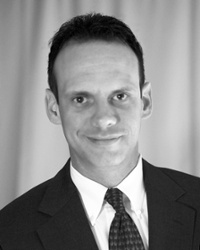 John Caravella Esq., is a construction attorney and formerly practicing project architect at The Law Office of John Caravella, P.C., representing architects, engineers, contractors, subcontractors, and owners in all phases of contract preparation, litigation, and arbitration across New York and Florida. He also serves as an arbitrator to the American Arbitration Association Construction Industry Panel. Mr. Caravella can be reached by email: John@LIConstructionLaw.com or (631) 608-1346.
The information provided on this website does not, and is not intended to, constitute legal advice; instead, all information, content, and materials available on this site are for general informational purposes only. Readers of this website should contact their attorney to obtain advice with respect to any particular legal matter. No reader, user, or browser of this site should act or refrain from acting on the basis of information on this site without first seeking legal advice from counsel in the relevant jurisdiction. Only your individual attorney can provide assurances that the information contained herein – and your interpretation of it – is applicable or appropriate to your particular situation. Use of, and access to, this website or any of the links or resources contained within the site do not create an attorney-client relationship between the reader, user, or browser and website authors, contributors, contributing law firms, or committee members and their respective employers.